Protocol shifts
A Protocol card flips the active rule mid-round – Color, Word or Count. The pile you were feeding correctly a second ago is suddenly the wrong one. Re-read the room or jam.
Tabletop card game // playable online
A real-time card game of faulty signals and bad decisions, for 1–6 players. Built for the table, and free to play online right now. The opponent is your own brain.
The trap
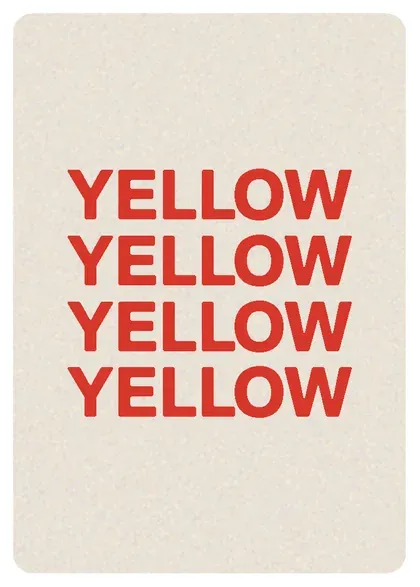
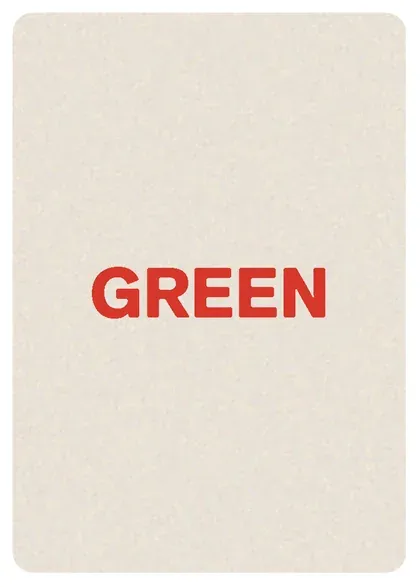
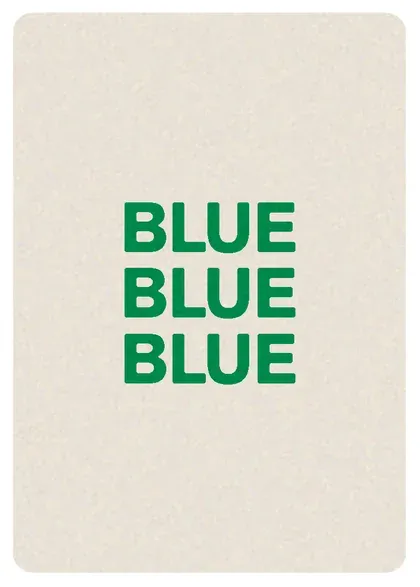
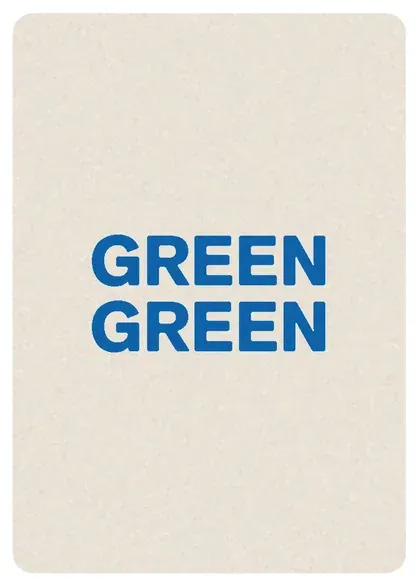
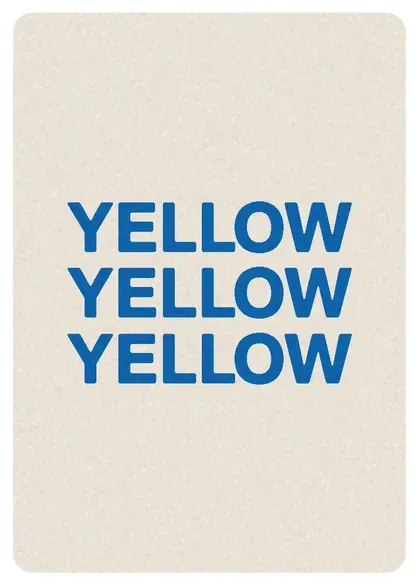
Every signal names a color but is printed in a different one, and the rule for sorting them keeps changing underfoot. Your eyes and your instincts pull opposite ways. That gap is the whole game.
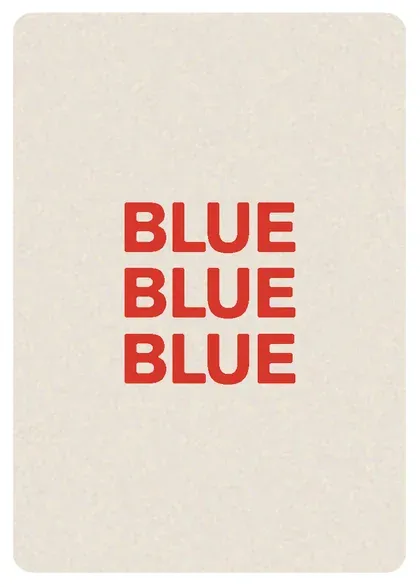
Active protocol
Route by the ink it's printed in
Printed in red ink -> channel 1 (Red).
Same card | three rules | three different right answers
Faults & shifts
A Protocol card flips the active rule mid-round – Color, Word or Count. The pile you were feeding correctly a second ago is suddenly the wrong one. Re-read the room or jam.
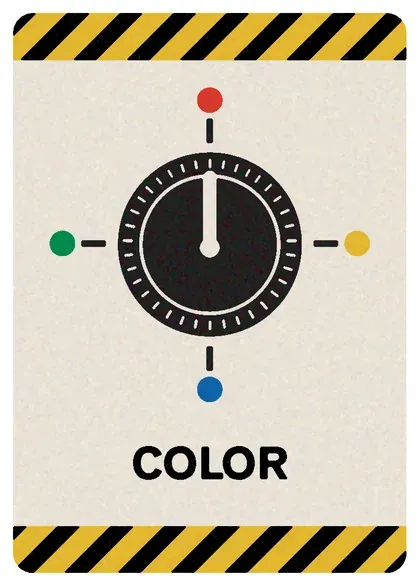
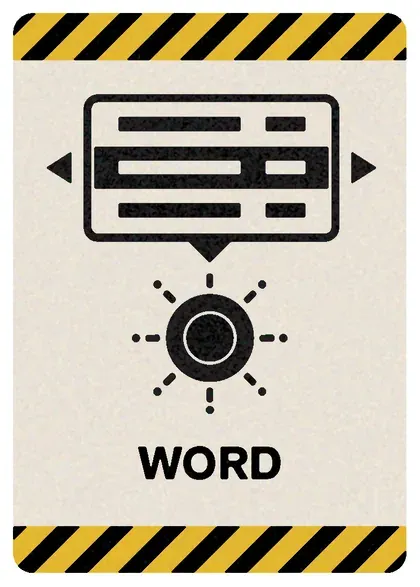
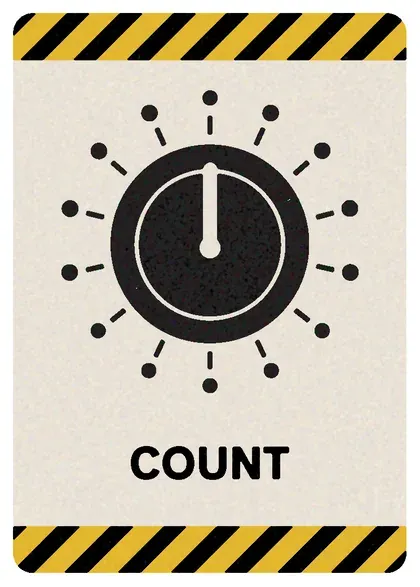
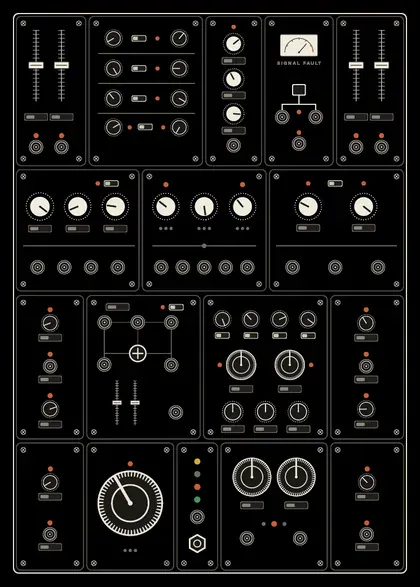
Then the faults hit. Panic, Smoke, Miswire and Shift Change scramble the board and punish autopilot – the control room you trusted starts working against you.
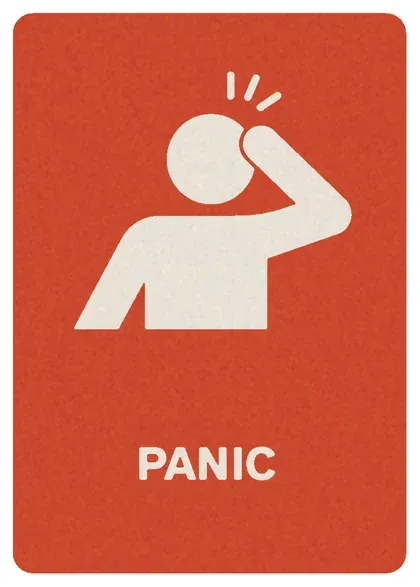

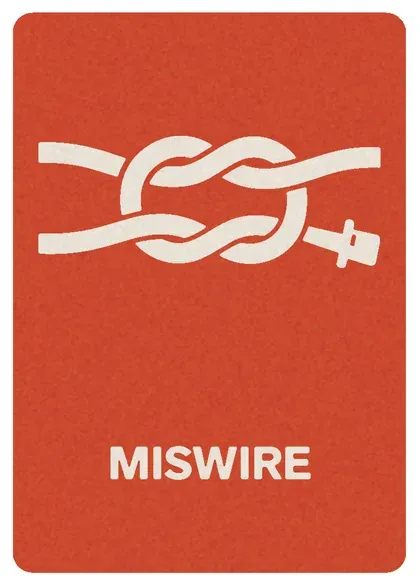
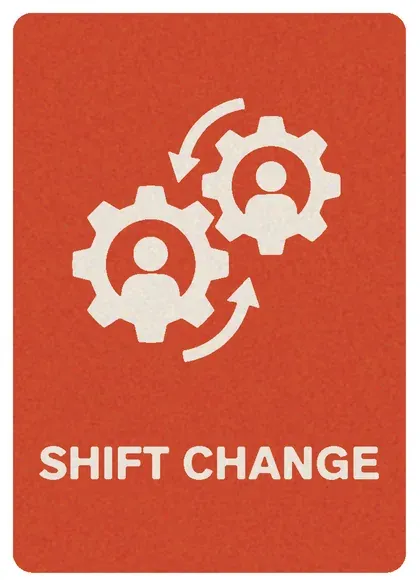
One engine – five ways to break
The full game – race, flow, solo.
Online + tabletop
One shared protocol, one frantic race. Sort at speed – a wrong drop jams you until you clear it, and the leader can flip the rule out from under you.
Online + tabletop
No protocol – three shared piles and pure flow. Match any pile on color, word or count before someone else takes the spot.
Tabletop
A one-player time trial on the CHAIN engine: clear the whole feed as fast as you can. No rivals, nothing to count – just you against the clock.
Teams, traitors and meltdown. Requires the core box.
Online + tabletop
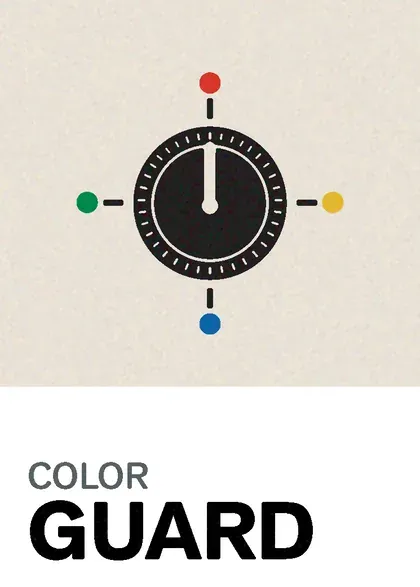
Color Guard versus Text Guard. The color-versus-word trap becomes a contest: a misread hands the other side a point, and junk costs you one.
Tabletop
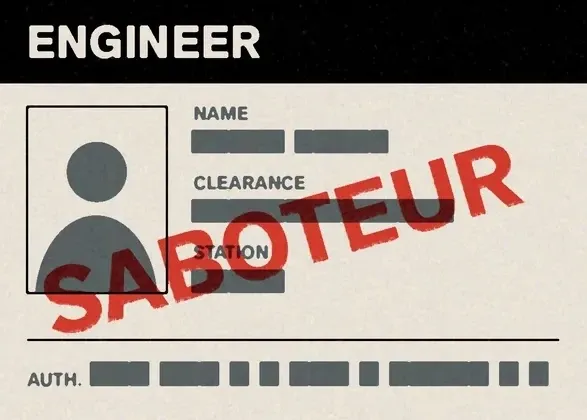
Co-op against a meltdown with one hidden traitor. Errors pile up unseen until the final count – and the vote that follows.
The tabletop edition
SIGNAL FAULT began on a table – thick cards and bold inks, the same conflicting signals you see on screen, built for a room of friends and one shouting match per round. The physical card game is in development now.
That's the core box – LIVE, CHAIN and SOLO. A separate expansion, SIGNAL FAULT: MELTDOWN, adds TEAMS, SABOTEUR and the hard modules.
Current prototype artwork shown. Final print edition may change.
Tabletop launch / mailing list
One short list for news about the physical SIGNAL FAULT card game: the print run, the launch date, and where to get it first. No noise, no spam, just a heads-up before everyone else.
We'll only email about the tabletop launch. Unsubscribe anytime.
Online play
The physical card game is still in development, but the real-time version runs free in your browser today. No app, no account.
Play free in browserEveryone joins from their own device with a room code. Nothing to install.
Cast one board to a laptop or TV and let the room act from their phones.
Native apps for Apple TV and Google TV turn the screen into the shared control-room board.
Still tuning the rules. Played a few rounds? Help us fine-tune them →
Questions
SIGNAL FAULT is a fast, real-time card game where every card fights itself: it names a color, it’s printed in a different color, and it repeats a number of times. A live "protocol" decides which of those three things actually counts – Color, Word or Count – and that rule keeps flipping mid-round while System Fault cards (Panic, Smoke, Miswire, Shift Change) scramble the board. Your job is to read each signal and route it to the right channel faster than everyone else, without letting your own instincts trick you. It plays online in the browser and as a physical tabletop card game.
SIGNAL FAULT is built for 1 to 6 players. Online, LIVE and CHAIN support 2–6 players, whether everyone is on their own phone or sharing one screen; TEAMS is for even groups only – 2, 4 or 6 players. The physical edition covers 1–6: the core box adds SOLO: FEED RUN, a one-player time trial on the CHAIN engine, and the MELTDOWN expansion adds SABOTEUR, a co-op mode where the table works together against a meltdown with one hidden traitor. So it scales from a solo run against the clock, through a quick two-player duel, up to a loud six-player table.
It depends on how you play. Online is the fast version: the real-time engine shuffles, deals and scores instantly, so a single race can be over in a few minutes and a full session usually runs about 10–20 minutes. The physical tabletop game plays longer – closer to 20–40 minutes – because you shuffle and deal by hand, enforce the physical handicaps, and argue about who misread what. Either way it teaches in about ten minutes.
Ages 10 and up. There is very little to memorize – you learn the three protocols and the jam rule in about ten minutes – so first-timers can join straight away. The challenge is not the rules; it is that your brain instinctively reads the word instead of the ink, so even adults who "know" the rule keep getting caught. That makes it work for mixed-age and family tables as well as competitive groups.
Yes, completely. The real-time version runs free in any modern web browser at play.signal-fault.com – no app to install, no account to create, and no payment. Everyone joins from their own phone with a short room code, or you can cast one shared board to a laptop or TV and let the room play from their phones. Native Apple TV and Google TV apps are on the way too. The only thing that will cost money is the physical card game when it launches.
SIGNAL FAULT requires normal color vision, and we’d rather say that up front: reading ink colors at speed is the core mechanic, so there is no icon or pattern workaround that wouldn’t replace the game itself. The palette is tuned to stay separable under mild red-green color vision deficiency (protanomaly and deuteranomaly) – the four colors differ in lightness as well as hue – so many players with a mild deficiency can play normally. With a stronger deficiency the COLOR protocol stops being a fair fight. If someone at your table is affected, CHAIN is the friendliest mode: you can match cards on word or count instead of ink, and the WORD and COUNT protocols don’t use ink color at all.
Yes – SIGNAL FAULT started life as a physical card game, and the tabletop edition is in active development. It is planned as two boxes: the core box, with the Signal, Protocol and System Fault cards for LIVE, CHAIN and SOLO, and the SIGNAL FAULT: MELTDOWN expansion, which adds the Team, Role, SHIFT CHANGE and divider cards for TEAMS and SABOTEUR. Thick cards, bold inks, and the same control-room chaos you see online – with some rules (like the one-hand rule and the physical Panic and Smoke handicaps) that only exist at the table. The table also adds modes the online build doesn’t have, including SOLO: FEED RUN, a one-player time trial against the clock. It is not in print yet – join the launch list to hear about the print run, the launch date, and where to get it first.